


When choosing body care products, safety and effectiveness are key. Natural preservatives play a crucial role in keeping products free from harmful bacteria, mold, and yeast - especially in water-based formulations. Unlike synthetic options linked to health concerns, natural preservatives offer safer alternatives for both skin and the environment. Below are 10 natural preservatives, each suited for specific formulations and needs:
- Rosemary Extract: Prevents oils from going rancid; ideal for oil-based products but not sufficient for water-based formulas.
- Tocopherol (Vitamin E): A strong antioxidant for oil-based products; doesn’t protect against microbial growth.
- Grapefruit Seed Extract (GSE): Mild antimicrobial and antioxidant; not reliable as a stand-alone preservative.
- Tea Tree Essential Oil: Antimicrobial properties; effective in small concentrations but may irritate sensitive skin.
- Japanese Honeysuckle Extract: Antibacterial and antiviral; works best in acidic formulations.
- Geogard ECT: Broad-spectrum protection for various pH levels; ECOCert and COSMOS-approved.
- Potassium Sorbate: Targets fungi; needs a pH below 5.5 and works best when paired with other preservatives.
- Sodium Benzoate: Effective against yeast and mold; requires a low pH (below 5.0) to activate.
- Leucidal Liquid: Fermented radish-based preservative; gentle, antibacterial, and ECOCert-approved.
- Aspen Bark Extract: Broad-spectrum antimicrobial and skin-conditioning properties; suitable for sensitive skin.
These options cater to different needs, from oil-based balms to water-based creams. Always test your product's pH and storage conditions to ensure safety and efficacy.
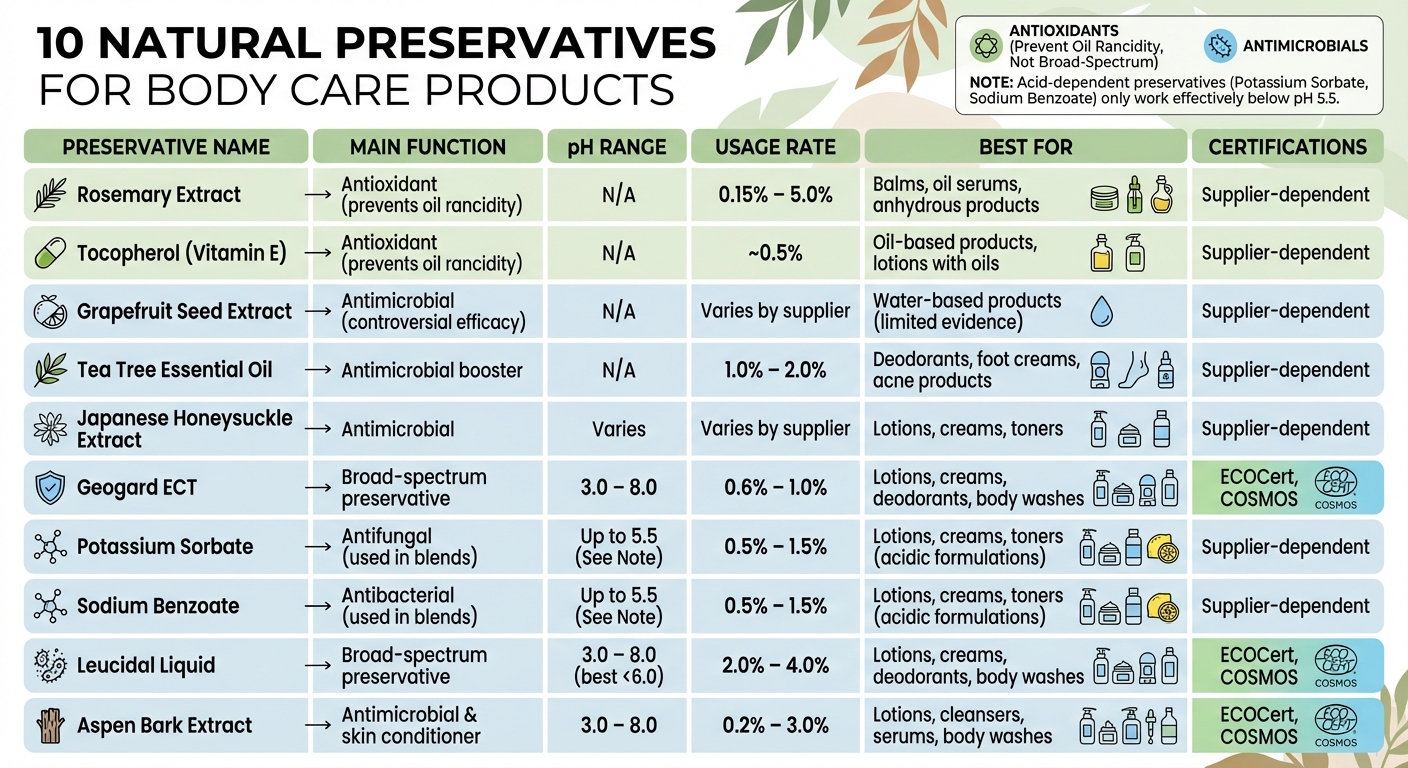
Natural Preservatives for Body Care Products Comparison Chart
Every Preservative I recommend for Every Product - Preservative Cheat Sheet for Beginners
1. Rosemary Extract
Rosemary extract is a natural antioxidant known for its ability to prevent oils from going rancid. Its effectiveness comes from phenolic compounds like carnosic acid and carnosol, which make up about 90% of its antioxidant activity [7]. These compounds neutralize harmful lipid and hydroxyl radicals, stabilizing them to help maintain the quality of oils and butters.
Antimicrobial and Antioxidant Functions
In addition to its antioxidant benefits, rosemary extract offers antimicrobial properties. It disrupts bacterial cell membranes and interferes with electron transport [7]. Studies have shown that it effectively combats common skin bacteria such as Staphylococcus aureus, E. coli, and Bacillus cereus [7]. When tested for oxidative stress, rosemary extract inhibited lipid peroxidation by 88–100%, and its rosmanol component was found to be four times more effective than synthetic antioxidants like BHT and BHA [7].
However, while rosemary extract is excellent for extending the shelf life of oil-based products, it doesn’t offer protection against microbial growth in water-based formulations [2]. Beyond preservation, it also benefits skin health.
Gentle on Sensitive Skin
Rosemary extract is generally suitable for sensitive or reactive skin, thanks to its anti-inflammatory properties. It can help reduce redness, swelling, and irritation in conditions such as atopic dermatitis. The US Food and Drug Administration has granted it Generally Recognized as Safe (GRAS) status, confirming its safety for skin use [8]. That said, pregnant women should consult a healthcare provider before using products containing rosemary essential oil, as high concentrations could have undesirable effects [6].
Versatility in Body Care Formulations
Rosemary extract’s adaptability makes it a valuable ingredient for various formulations. Its dual solubility allows it to work in both water- and oil-based products. Water-soluble extracts, rich in rosmarinic acid, are ideal for lotions and toners, while oil-soluble versions, containing carnosic acid and carnosol, are perfect for body butters, facial oils, and lip balms [9]. It pairs particularly well with Vitamin E, which helps regenerate α-tocopherol and enhances overall formula stability [7]. For water-based products, combining rosemary extract with a broad-spectrum natural preservative like Leucidal Liquid or Geogard ECT ensures comprehensive protection [2]. To preserve its potency, add rosemary extract during the cooling phase, keeping the temperature below 104°F (40°C) [2].
2. Tocopherol (Vitamin E)
Tocopherol, better known as Vitamin E, serves as a potent antioxidant that helps prevent oils and butters from going rancid. By neutralizing free radicals, it halts the process of lipid peroxidation [11][12]. This ability makes it a key ingredient in prolonging the shelf life of oil-based body care products.
Antioxidant Properties
Vitamin E works exclusively as an antioxidant, meaning it protects oils from oxidation but does not stop microbial growth [3]. Herbalist Jan Berry puts it simply:
"Vitamin E is a terrific antioxidant, but unfortunately it will not kill bacteria, yeast, or fungi." [3]
For water-based products like lotions or creams, Tocopherol needs to be combined with a broad-spectrum preservative to prevent microbial contamination. However, in anhydrous formulations - such as lip balms, body butters, and facial oils - Vitamin E can effectively delay the development of that unpleasant "old oil" smell. The typical usage rate ranges from 0.1% to 1% [12], and natural d‑alpha‑tocopherol is nearly twice as biologically active as its synthetic alternative [11]. This antioxidant action not only stabilizes oil-based products but also takes into account skin compatibility.
Suitability for Sensitive Skin
Tocopherol is gentle on the skin, making it a good choice for sensitive skin types. It also offers moisturizing benefits and supports the skin's natural barrier [14]. While allergic contact dermatitis is rare, it has been reported with certain Vitamin E derivatives. That said, Tocopherol itself is widely considered safe for use.
Compatibility with Body Care Formulations
As a lipid-soluble antioxidant, Tocopherol should be added during the cooling phase of production, ideally at temperatures between 95–104°F, to maintain its effectiveness [12]. Its stability holds up to 230°F (110°C) before diminishing. Tocopherol works well in formulations with a pH range of 3 to 7 [12] and is a popular choice for products aiming for ECOCert and COSMOS certifications, thanks to its plant-derived, natural origins [2].
3. Grapefruit Seed Extract
Grapefruit seed extract (GSE) is derived from the seeds, pulp, and white membranes of grapefruits. Its primary role is as an antioxidant, helping to slow the oxidation of oils and prevent rancidity [2]. This makes it a useful addition to certain formulations, though it has specific limitations compared to other natural ingredients.
Antimicrobial or Antioxidant Properties
GSE contains polyphenols such as limonoids and naringenin, which provide mild antimicrobial activity, particularly against some biofilm-forming strains. However, this activity is limited and does not offer full-spectrum preservation. As the School of Natural Skincare points out:
"Vitamin E, rosemary extract and grapefruit seed extract are not preservatives."
This means GSE alone cannot prevent the growth of mold, yeast, or bacteria in water-based products.
Suitability for Sensitive Skin
Due to its high acidity, GSE can irritate sensitive skin if not properly diluted. It is also unsuitable for individuals with citrus allergies. Additionally, some commercially available GSE products may be adulterated with synthetic additives like benzethonium chloride, triclosan, or methylparaben. These additives can increase the likelihood of skin irritation, especially for those with sensitivities.
Compatibility with Body Care Formulations
GSE works best in anhydrous products, such as body butters, balms, and facial oils. However, when used in formulations that include water, hydrosols, or floral waters, it must be combined with a broad-spectrum preservative to ensure adequate protection. To minimize its acidity, GSE can be mixed with vegetable glycerin. For water-based formulas, pairing it with a broad-spectrum preservative is essential to maintain product safety and stability.
4. Tea Tree Essential Oil
Tea tree oil is a powerful antimicrobial agent, containing at least 30% terpinen-4-ol, which disrupts the cell membranes of bacteria, yeast, and mold, making it an effective preservative in various formulations [10][15][16].
Antimicrobial or Antioxidant Properties
Research from 2015 highlights tea tree oil's ability to rival synthetic parabens when used in oil-based formulations at concentrations of 0.08–0.8% [15]. While it doesn't extend the shelf life of unopened products, it significantly reduces microbial contamination when products are exposed to air and water during use. The minimum inhibitory concentration varies, ranging from 0.2% for Saccharomyces cerevisiae to 0.8% for certain fungi [15]. However, achieving a balance between its antimicrobial effectiveness and skin safety requires careful formulation.
Suitability for Sensitive Skin
Tea tree oil, while effective, can be harsh on sensitive skin. Approximately 1.4% of individuals in patch tests have experienced allergic reactions [17]. Commonly used in topical products at concentrations between 5% and 10%, these levels can occasionally lead to contact sensitization or allergic contact dermatitis. For preservative purposes, Giorgio Dell'Acqua of Dell'Acqua Consulting notes:
"has been shown to be active at concentrations as low as 0.5 percent (w/w) to preserve cosmetic products while minimizing its irritation potential" [10].
To maintain its stability and reduce the risk of oxidation, tea tree oil should be stored in a cool, dark environment [16].
Compatibility with Body Care Formulations
Tea tree oil's compatibility with various formulations makes it a versatile choice. It works particularly well in oil-based and lipophilic products due to its high miscibility with nonpolar solvents [15][16]. This property enhances the texture and performance of products like body butters, balms, and facial oils. In gel-based formulations, tea tree oil not only improves viscosity and adhesiveness but also helps active ingredients penetrate the skin more effectively [18]. However, its lower efficacy against certain fungi at minimal concentrations often necessitates combining it with other natural preservatives, such as potassium sorbate, to ensure broad-spectrum protection [10]. Additionally, its strong aroma may limit its use in products designed for fragrance-sensitive users [10][14].
5. Japanese Honeysuckle Extract
Japanese Honeysuckle (Lonicera japonica) is known for its strong antibacterial and antiviral properties, particularly in formulations with lower water content. Its natural parahydroxybenzoic acid, a compound related to synthetic parabens, has prompted a shift toward alternatives with more consumer-friendly INCI names. Let’s take a closer look at its antimicrobial and antioxidant benefits.
Antimicrobial and Antioxidant Benefits
This extract is effective against both Gram-positive and Gram-negative bacteria, even at low concentrations of 0.1%. It also contains antioxidant-rich phytochemicals such as chlorogenic acid, caffeic acid, luteolin, and hyperoside, which help protect against oxidative stress [10][19]. However, its antifungal capabilities are limited. To achieve full-spectrum protection, it is often combined with agents like potassium sorbate [19][10].
Gentle on Sensitive Skin
Most skin types tolerate Japanese Honeysuckle well [14][6]. That said, individuals with allergies to the plant may experience sensitivities, though such cases are rare [4]. To ensure safety and avoid potential issues like formaldehyde contamination, it’s best to use extracts stored in high-quality, non-leaching containers [19].
Versatility in Body Care Formulations
Japanese Honeysuckle works beautifully in a variety of products, including emulsions, shampoos, and organic, plant-based cosmetics. It performs best in acidic environments [6][10][19][4]. To preserve its antimicrobial properties, add the extract during the cooling phase of production, keeping temperatures below 104°F [2].
6. Geogard ECT (Benzyl Alcohol, Salicylic Acid, Glycerin, Sorbic Acid)
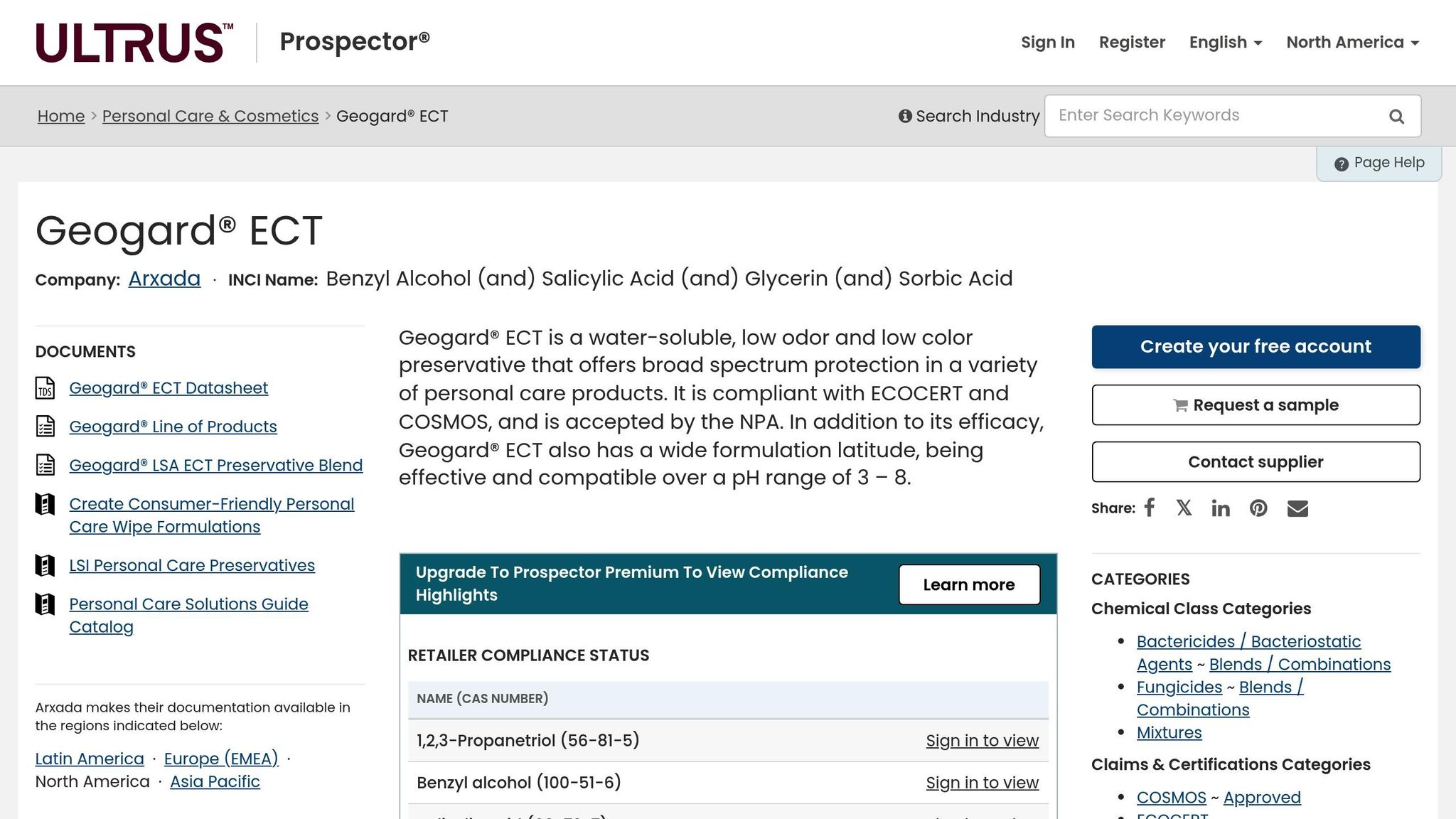
Geogard ECT provides a comprehensive preservation system, relying on a blend of natural compounds to protect formulations from a wide range of microorganisms. This multi-functional approach combines the benefits of natural antioxidants and essential oils.
This preservative system includes four key ingredients: benzyl alcohol, which combats bacteria and yeasts; sorbic acid, targeting molds and fungi; salicylic acid, enhancing antimicrobial performance; and glycerin, which serves as both a carrier and a humectant. It works effectively at concentrations between 0.6% and 1.0%, offering protection against gram-positive and gram-negative bacteria, as well as yeasts and molds [5][20].
Antimicrobial Properties
Geogard ECT performs across a pH range of 3.0 to 8.0, with optimal effectiveness below 5.5. Sorbic acid, in particular, achieves peak antifungal activity in the pH range of 3.5 to 6.0 [13][20][5]. When used in formulations, products typically remain stable for 5 to 6 months, though some can last up to 9 months with proper storage [3].
Certifications
Geogard ECT complies with both ECOCERT and COSMOS standards for natural and organic cosmetics [3][13][20]. It is free from parabens, formaldehyde, and isocitrate, making it a suitable choice for clean beauty formulations [20].
Suitability for Sensitive Skin
Although Geogard ECT is generally safe, individuals with very sensitive skin should conduct a patch test prior to use [20]. Due to the presence of salicylic acid, it is not recommended for use in products for children under three years old, except for shampoos [2][3][20]. Its low odor and minimal color make it an excellent option for fragrance-free formulations.
Compatibility with Body Care Formulations
For best results, Geogard ECT should be added during the cooling phase of production (below 113°F/45°C) to preserve its efficacy [3][20]. In water-based products, such as toners, a solubilizer may be necessary since benzyl alcohol does not fully dissolve in pure water [20]. Always check the formulation's pH before and after incorporating the preservative to ensure it remains within the recommended range [20].
sbb-itb-18dae44
7. Potassium Sorbate
Potassium sorbate is a water-soluble salt widely used in body care products for its ability to combat molds, yeasts, and fungi. While it’s particularly effective against these microorganisms, it’s less potent against bacteria. To ensure broader antimicrobial protection, it’s often paired with other natural preservatives like sodium benzoate or rosemary extract. Additionally, it plays a key role in maintaining the shelf life of water-based formulations.
This compound is the potassium salt of sorbic acid, a substance naturally found in the berries of the rowan tree (Sorbus aucuparia). However, for consistency and reliability, commercial potassium sorbate is synthesized. It provides about 74% of the antimicrobial benefits of pure sorbic acid and is highly water-soluble, with a solubility rate of 58.2% at 20°C (68°F). This high solubility makes it especially effective in its specific antimicrobial applications.
Antimicrobial Properties
The effectiveness of potassium sorbate depends heavily on pH levels. It performs best in acidic environments with a pH below 5.5, and its activity decreases as the pH approaches 6.5. In personal care products, it is typically used in concentrations ranging from 0.1% to 1%.
"SorbH and KSorb have become increasingly popular options due to their worldwide status as Generally Recognized As Safe (GRAS) food ingredients and their long and successful use history." – Michael J. Fevola, PhD, Johnson & Johnson
Suitable for Sensitive Skin
Potassium sorbate is considered gentle and non-irritating when used in concentrations up to 0.5%. The Cosmetic Ingredient Review Expert Panel has deemed it safe for cosmetic use even at concentrations as high as 10%, well above the usual levels found in products. Mild skin irritation has been reported in rare cases, but its low risk of sensitization makes it a go-to preservative for formulations aimed at sensitive skin.
Certifications
Potassium sorbate meets the standards of ECOCert, COSMOS, NATRUE, and BDIH, making it a popular choice for clean beauty brands looking to avoid parabens while ensuring product safety.
Compatibility with Body Care Products
Thanks to its antimicrobial properties, potassium sorbate is a great fit for the water phase of various formulations, including emulsions, shampoos, lotions, creams, liquid soaps, and facial toners. Since it primarily targets fungi, formulators often combine it with other natural preservatives to achieve comprehensive protection. Maintaining a product pH below 5.5 is critical to keep potassium sorbate in its active, effective form.
8. Sodium Benzoate
Sodium benzoate, derived from benzoic acid, acts as a pro-drug. On its own, it has minimal antimicrobial activity but transforms into active benzoic acid when the product's pH is lowered. This makes it particularly useful against fungi like yeasts and molds, though it’s less effective against bacteria. To ensure comprehensive protection, formulators often pair sodium benzoate with other natural preservatives such as potassium sorbate or gluconolactone [21].
Antimicrobial Properties
The effectiveness of sodium benzoate hinges entirely on pH levels. For it to remain in its active acid form, the product’s pH must be kept below 5.0 [21]. Dr. Michael J. Fevola of Johnson & Johnson explains:
"The most critical aspect of BA [benzoic acid] and other organic acid preservatives is that they only possess efficacy when present in their acid form, i.e., when they are protonated" [21].
At a pH of 5.0, a formula containing 1.00% sodium benzoate will have just 0.14% active benzoic acid [21]. As the pH rises, the active preservative content drops significantly, making formulations above pH 5.5 ineffective [21]. The active benzoic acid works by penetrating microbial cell membranes, disrupting substrate transport, lowering intracellular pH, and inhibiting certain enzymes [21]. Sodium benzoate is also highly stable, tolerating temperatures up to 250°F (121°C), and dissolves easily in water (61.2 g per 100 g of water at 77°F or 25°C). These properties make it an excellent choice for products like shampoos, lotions, and creams [21].
Suitability for Sensitive Skin
Beyond its antimicrobial benefits, sodium benzoate has a strong safety profile. The Cosmetic Ingredient Review Expert Panel deems it safe for cosmetic use at concentrations up to 5%, far exceeding the typical usage range of 0.5% to 1.5% [21]. The US FDA also classifies it as Generally Recognized As Safe (GRAS) for use in food and drugs [21]. However, a small number of people may experience hypersensitivity reactions, including itching, swelling, or perioral contact urticaria [23]. Additionally, the low pH required for its activity can occasionally irritate sensitive skin or mucous membranes [22]. One critical safety concern is the potential formation of benzene - a known carcinogen - when sodium benzoate is combined with Vitamin C (ascorbic acid) in the presence of heat or light [23].
Certifications
Sodium benzoate is available in ECOCert and COSMOS-compliant grades, making it a preferred ingredient for clean beauty formulations [5].
Compatibility with Body Care Formulations
Thanks to its antimicrobial properties, sodium benzoate blends effortlessly into the water phase of various products like emulsions, shampoos, lotions, creams, and facial toners. To ensure even distribution, it should be added to the water phase before adjusting the pH with citric acid. Buffering agents help maintain the low pH needed for its efficacy [21]. Since sodium benzoate is most effective against fungi, it’s often paired with other preservatives to broaden its antimicrobial coverage [21]. To avoid the risk of benzene formation, it’s essential not to combine sodium benzoate with Vitamin C or its derivatives [23].
9. Leucidal Liquid
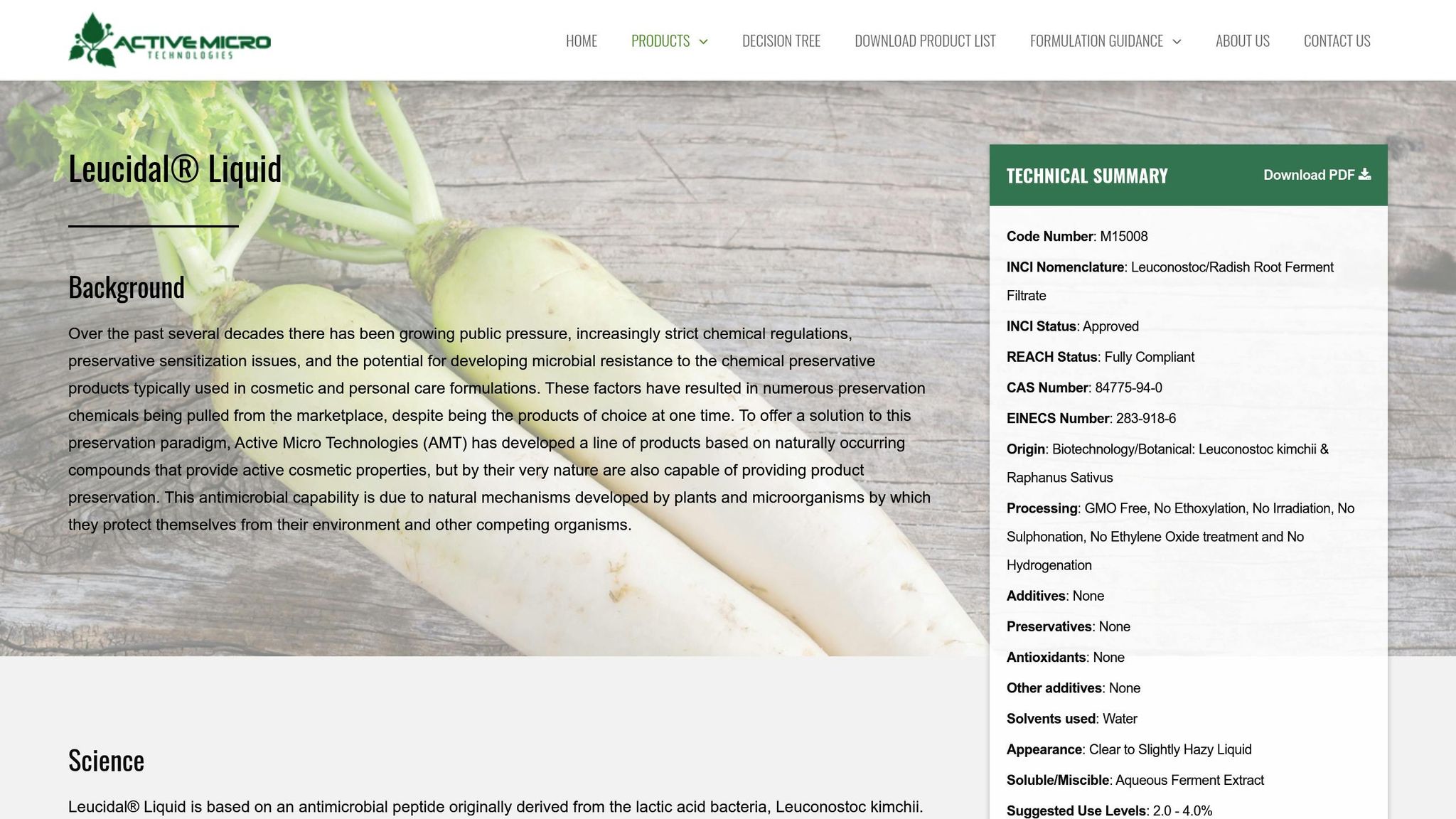
Leucidal Liquid stands out as a natural preservative that combines product safety with skin care benefits. This fermentation-based ingredient is derived from radishes fermented with the lactic acid bacteria Leuconostoc kimchii. During fermentation, the bacteria produce an antimicrobial peptide, also known as a bacteriocin, which helps preserve formulations effectively [24]. Beyond its role in preservation, Leucidal Liquid also offers moisturizing and skin-conditioning properties [2][3].
Antimicrobial Properties
Leucidal Liquid provides broad-spectrum antibacterial activity, making it an appealing natural alternative to synthetic preservatives [24][25]. While it is particularly effective against bacteria, it is less potent in combating yeast and mold. To achieve optimal results, it’s recommended to use it at concentrations between 2.0% and 4.0% [24][25]. The preservative performs best within a pH range of 3.0 to 8.0, losing its effectiveness at higher pH levels (9.0 or above). It is also stable at temperatures up to 140°F (60°C). To maintain its activity, it should be added during the cooling phase of production [24]. This antibacterial action pairs well with its gentle nature, making it suitable for sensitive skin.
Suitability for Sensitive Skin
Leucidal Liquid isn’t just effective - it’s also gentle. Known for its mildness and low irritation potential, it is a great choice for formulations designed for sensitive skin [24]. Its probiotic origins support a balanced skin microbiome, making it particularly beneficial for products aimed at addressing problem skin or scalp concerns [24][25].
Certifications
This preservative is ECOCert approved for use in certified organic cosmetics, and it’s listed on the Whole Foods Acceptable Premium Preservative List [24][25]. These certifications make it easier for brands to maintain natural and organic claims while ensuring their products meet microbial safety standards.
Compatibility with Body Care Formulations
Leucidal Liquid’s water-soluble nature allows it to blend seamlessly into various formulations, including lotions, creams, and toners [24]. However, it’s worth noting that its cationic nature may interact with highly anionic ingredients, such as certain carbomers or thickeners. Additionally, it can impart a slight amber tint to clear products [24][25]. Products formulated with Leucidal Liquid typically have a shelf life of 3–4 months, making it a practical choice for natural and organic skincare lines.
10. Aspen Bark Extract (Phytocide)
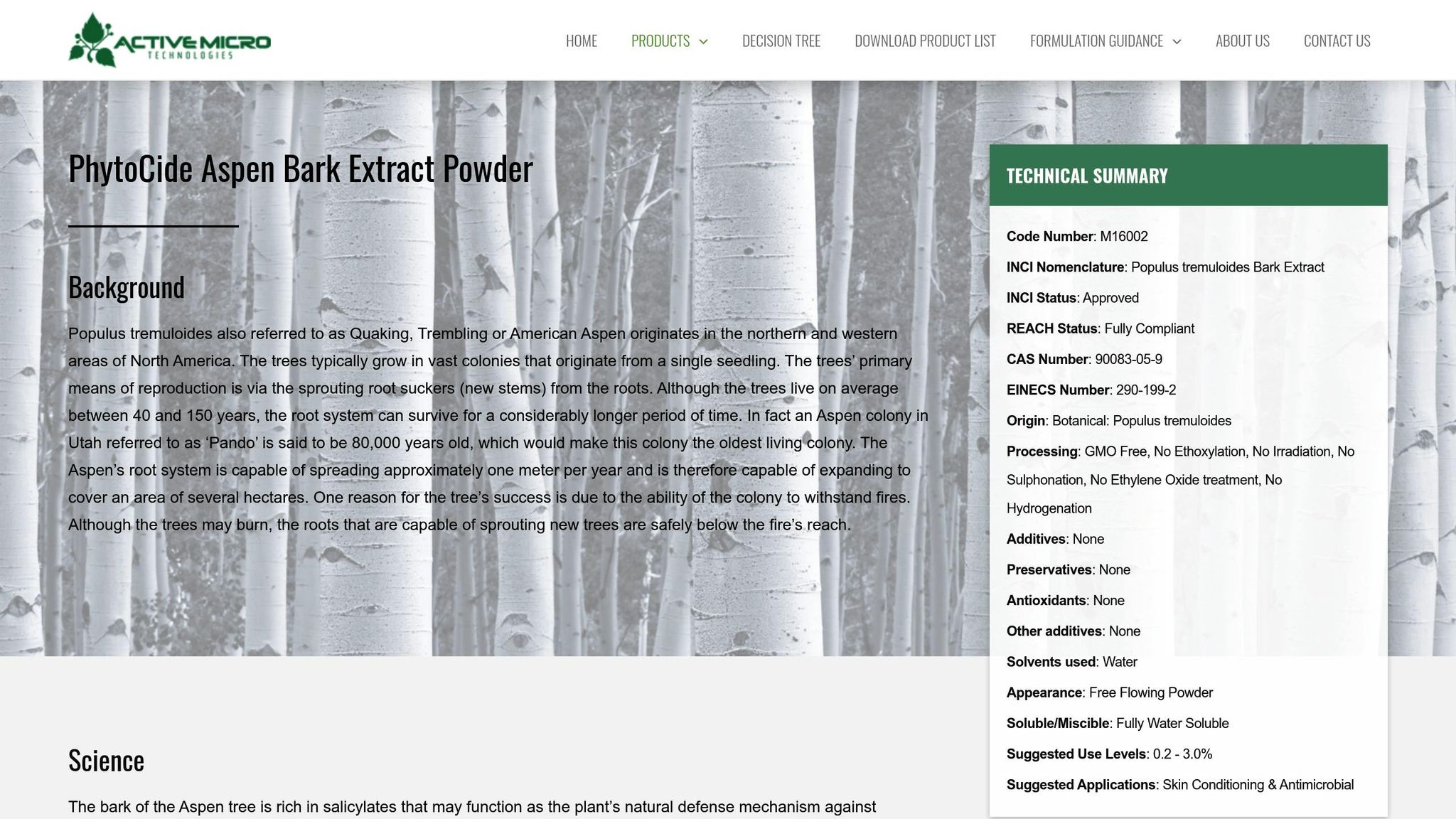
Aspen Bark Extract, sourced from Populus tremuloides, contains 53.0–65.0% salicylates and provides powerful antimicrobial and skin-conditioning properties that help calm and soften the skin[27].
Antimicrobial Properties
Aspen Bark Extract offers broad-spectrum defense against bacteria, yeast, and mold. Lab studies have demonstrated its effectiveness against microorganisms like E. coli, Pseudomonas aeruginosa, Staphylococcus aureus, Candida albicans, and Aspergillus brasiliensis[27]. It performs well across a wide pH range (3.0 to 9.0)[27]. Typical usage levels range from 0.2% to 3.0%, with 3.0% often being a good starting point to monitor compatibility[26]. For stability, it should be added during the cool-down phase, below 140°F (60°C)[26]. This antimicrobial strength pairs well with its additional benefits for skin care.
A Gentle Option for Sensitive Skin
In addition to its antimicrobial properties, Aspen Bark Extract is a great choice for sensitive skin. Its water-soluble nature leaves the skin feeling smooth and conditioned without triggering irritation often linked to synthetic additives. Annmarie Gianni, founder of Annmarie Skin Care, highlights its gentle nature:
"The ingredient has a very low irritation potential, meaning that even those with sensitive skin can use it without worry"[28].
In August 2021, Annmarie Skin Care introduced Aspen Bark Extract into products like their Aloe Herb Facial Cleanser, Anti-Aging Serum, Anti-Aging Eye Cream, and Rosemary Peppermint Body Wash[28].
Certifications
Aspen Bark Extract complies with ECOCert and COSMOS standards, making it an excellent choice for organic and natural cosmetics. These certifications reflect increasing consumer demand for clean, paraben-free beauty products.
Versatility in Formulations
Aspen Bark Extract’s water-soluble form makes it compatible with a variety of cosmetic products, including lotions, moisturizers, facial cleansers, masks, serums, and body washes. It can be added during the cool-down phase of emulsions or directly into the water phase of aqueous systems to maintain stability. Ensure the final product’s pH stays within the effective range of 3.0 to 9.0. In water-based formulations, it can also be paired with other natural antimicrobials to bolster fungal protection[10]. Its adaptability aligns well with the natural preservation strategies previously discussed.
Comparison Table
Selecting the ideal natural preservative for your formulation requires careful consideration of factors like pH, water content, and the product's intended use. The table below offers a side-by-side comparison of 10 natural preservatives to help you make an informed choice. Each preservative's key attributes are detailed to assist in crafting effective and safe body care products.
| Preservative | Main Function | pH Range | Recommended Usage | Best Applications | Certifications |
|---|---|---|---|---|---|
| Rosemary Extract | Antioxidant (prevents oil rancidity) | N/A | 0.15% – 5.0% | Balms, oil serums, anhydrous products | Supplier-dependent |
| Tocopherol (Vitamin E) | Antioxidant (prevents oil rancidity) | N/A | ~0.5% | Oil-based products, lotions with oils | Supplier-dependent |
| Grapefruit Seed Extract | Antimicrobial (controversial efficacy) | N/A | Varies by supplier | Water-based products (limited evidence) | Supplier-dependent |
| Tea Tree Essential Oil | Antimicrobial booster | N/A | 1.0% – 2.0% | Deodorants, foot creams, acne products | Supplier-dependent |
| Japanese Honeysuckle Extract | Antimicrobial | Varies | Varies by supplier | Lotions, creams, toners | Supplier-dependent |
| Geogard ECT | Broad-spectrum preservative | 3.0 – 8.0 | 0.6% – 1.0% | Lotions, creams, deodorants, body washes | ECOCert, COSMOS |
| Potassium Sorbate | Antifungal (used in blends) | Up to 5.5 | 0.5% – 1.5% | Lotions, creams, toners (acidic formulations) | Supplier-dependent |
| Sodium Benzoate | Antibacterial (used in blends) | Up to 5.5 | 0.5% – 1.5% | Lotions, creams, toners (acidic formulations) | Supplier-dependent |
| Leucidal Liquid | Broad-spectrum preservative | 3.0 – 8.0 (best <6.0) | 2.0% – 4.0% | Lotions, creams, deodorants, body washes | ECOCert, COSMOS |
| Aspen Bark Extract (Phytocide) | Antimicrobial & skin conditioner | 3.0 – 8.0 | 0.2% – 3.0% | Lotions, cleansers, serums, body washes | ECOCert, COSMOS |
It's important to note that antioxidants like Rosemary Extract and Vitamin E are excellent at preventing oil rancidity but do not provide broad-spectrum preservation. On the other hand, acid-dependent preservatives like Sodium Benzoate and Potassium Sorbate are effective only in acidic formulations, typically below a pH of 5.5. Always test and confirm your product's final pH after adding preservatives, as the pH can shift during the formulation process. As highlighted by Formula Botanica:
"The pH affects the solubility and efficacy of the preservative" [29].
For deodorants, broad-spectrum preservatives such as Geogard ECT, Leucidal Liquid, and Aspen Bark Extract perform well across a range of pH levels. Additionally, Tea Tree Essential Oil serves as an antimicrobial booster while imparting a refreshing scent. When working with lotions and creams, match the preservative to the product's pH. Acidic formulations pair well with Potassium Sorbate and Sodium Benzoate blends, while neutral pH products are better suited for Geogard ECT or Aspen Bark Extract.
Conclusion
The examples above highlight how natural preservatives ensure product safety, support skin health, and align with eco-conscious principles. These plant-based options provide effective microbial protection while maintaining the integrity of the product, without the risks associated with synthetic preservatives like hormone disruption or potential health concerns [4].
As Formula Botanica explains:
"The risk of using preservatives in cosmetic preparations is significantly lower than the risk of using unpreserved, water-based cosmetics." [1]
Natural preservatives also play a role in protecting the environment. Unlike petroleum-based synthetic preservatives, natural alternatives are biodegradable and often come from upcycled materials. For instance, 98% of the phenols discarded during olive oil production can be reclaimed and used as powerful antimicrobials [10]. Puristry adds:
"As consumers are trying to become more eco-conscious, they're moving away from petroleum-based products. This is in an effort to stop supporting fossil fuels."
This trend reflects the growing demand in the US for clean, responsibly crafted body care products.
Elemental Deodorant is a great example of this approach. Its formula incorporates tea tree oil and tocopherol to provide 24-hour odor protection, all packaged in a refillable glass container that prioritizes sustainability.
To get the most out of natural preservatives, practical measures like using pump dispensers, amber glass containers, and small-batch water-based formulations are key to enhancing their effectiveness.
FAQs
Why are natural preservatives important in body care products?
Natural preservatives are essential for keeping body care products safe and effective. They work to prevent the growth of bacteria, mold, and yeast, which can spoil products or cause skin irritation. This is particularly important for items with water-based ingredients or those frequently exposed to moisture, as these conditions create a breeding ground for contamination, potentially leading to issues like rashes or infections.
Beyond safety, natural preservatives provide an alternative to synthetic chemicals such as parabens and phthalates, which are often associated with skin sensitivities and other health concerns. Sourced from plant-based or biodegradable materials, they also resonate with eco-conscious consumers who prioritize clean and environmentally friendly beauty options.
By improving product stability, minimizing irritation risks, and catering to the demand for non-toxic ingredients, natural preservatives play a key role in shaping modern body care products.
How can I make sure natural preservatives work effectively in my body care products?
To make natural preservatives work effectively, it's essential to start with a clean workspace and ensure all tools and containers are sterilized. This is especially important when working with water-based ingredients like herbal teas or hydrosols, which are more prone to contamination. Additionally, matching the preservative to your product's pH level (usually between 3–5) and adhering to the recommended concentration - typically 0.5%–1% for single preservatives or up to 2% for blends - is key.
You can take extra precautions to boost your product's longevity:
- Conduct a microbial challenge test to assess your product's resistance to contamination.
- Combine preservatives with antioxidants like vitamin E to reduce oxidation.
- Opt for packaging that minimizes exposure to oxygen and light, such as amber glass bottles or airless pumps.
- Store products in a cool, dry place, away from sunlight, to maintain their integrity.
When used correctly, natural preservatives can keep products fresh for months. For instance, Elemental Deodorant incorporates naturally antimicrobial ingredients like magnesium and witch hazel, ensuring effectiveness. Plus, its sustainable, refillable glass packaging helps shield the formula from external factors.
What precautions should you take when using natural preservatives in body care products for sensitive skin?
Natural preservatives are generally mild, making them a suitable choice for many, but if you have sensitive skin, it's wise to take some precautions. Start with a patch test whenever trying a new product. Even natural options like rosemary extract or grapefruit seed extract may occasionally cause irritation or trigger an allergic reaction.
For safe use, stick to the recommended concentration levels (usually between 0.5% and 2%) and ensure the product’s pH stays within the ideal range. This helps maintain both the preservative’s effectiveness and your skin’s comfort. Also, be mindful of contamination - avoid introducing water into the product, as excess moisture can compromise the preservative system, leading to bacterial or mold growth.
By taking these simple measures, you can enjoy naturally preserved skincare products with peace of mind, even if your skin is on the sensitive side.
Related Blog Posts
- Essential Oils in Natural Deodorant: Benefits and Effects
- Witch Hazel Benefits for Natural Deodorants
- 5 Common Allergens in Natural Deodorants
- Why Natural Scents Reduce Stress in Body Care